Atividades Ludicas Para Maternal 3 Anos

What actually works with three-year-olds in the classroom
Three-year-olds sit down for maybe eight minutes before they need to move. Not because they are defiant, but because their nervous systems simply cannot sustain that kind of focused attention yet. This changes everything about how you design any activity for this age group. Most people buying printable activity packs online are getting stuff that looks cute but requires fine motor skills these kids do not have. Tracing lines, cutting along curves, coloring inside borders — it is mostly developmentally premature. The kids get frustrated, the teacher gets frustrated, and the materials end up in a drawer after two uses.Gross motor activities should be your default starting point. If you want children to engage with something for more than a minute, it has to involve their whole body. Something like obstacle courses using cushions and chairs, or a "walk the line" activity with masking tape on the floor, will burn off energy and teach spatial awareness at the same time. A single 15-minute session of this is worth more developmentally than an hour of worksheet time. The Brazilian early childhood education framework (BNCC) actually aligns pretty well with what works here. It emphasizes play-based learning, sensory exploration, and social interaction as the primary vehicles for development at this age. The challenge is translating those broad guidelines into something you can actually run with a group of twenty restless three-year-olds. Common pitfalls: activities that are too long, too abstract, too quiet, or require tools the children cannot physically manipulate yet. Another frequent mistake is assuming that a quiet activity equals a good activity. A three-year-old sitting quietly for twenty minutes is often just shutting down, not learning. Watch the engagement indicators — eye contact, vocalizations, spontaneous repetition of the activity, asking to do it again. Those are the real measures of whether something is working.
The limitation most teachers hit is resource fatigue. Finding new activities every week is exhausting. The practical solution is building a rotation system with perhaps six to eight core activities you cycle through, tweaking the materials slightly each time rather than inventing new ones from scratch. The "tweaking" might mean swapping the sorting objects in a bin from buttons to large pasta shells, or adding a new texture to the sensory table. The underlying activity stays the same, but the novelty resets because the materials look different. This approach cuts prep time significantly while keeping engagement high. Another hard truth: not every activity works with every group. A classroom of twenty three-year-olds who have just had lunch operates differently than the same group at 9am. Season, sleep quality, recent illnesses, changes at home — all of these affect what a given group can handle on a given day. Having backup activities that require zero prep, like free play with established centers, is essential. You will use them more often than you want to admit.
Galeria
-
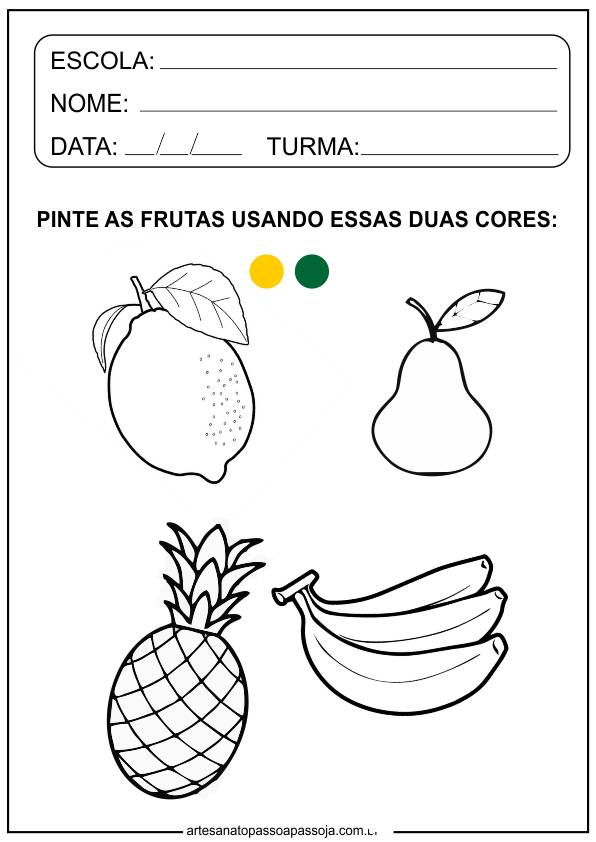
26 Atividades lúdicas para maternal 1, 2 e 3 - Artesanato Passo a Passo! -

Atividades Ludicas Educação Infantil 3 Anos - ZULEDU -
10 Atividades para educação infantil (3 anos) -
10 Atividades Lúdicas para Maternal -

EMEI Sagrado Coração de Jesus: ATIVIDADES LÚDICAS MATERNAL 'E"

