Verbos Em Ingles Lista

O guia que eu gostaria de ter encontrado
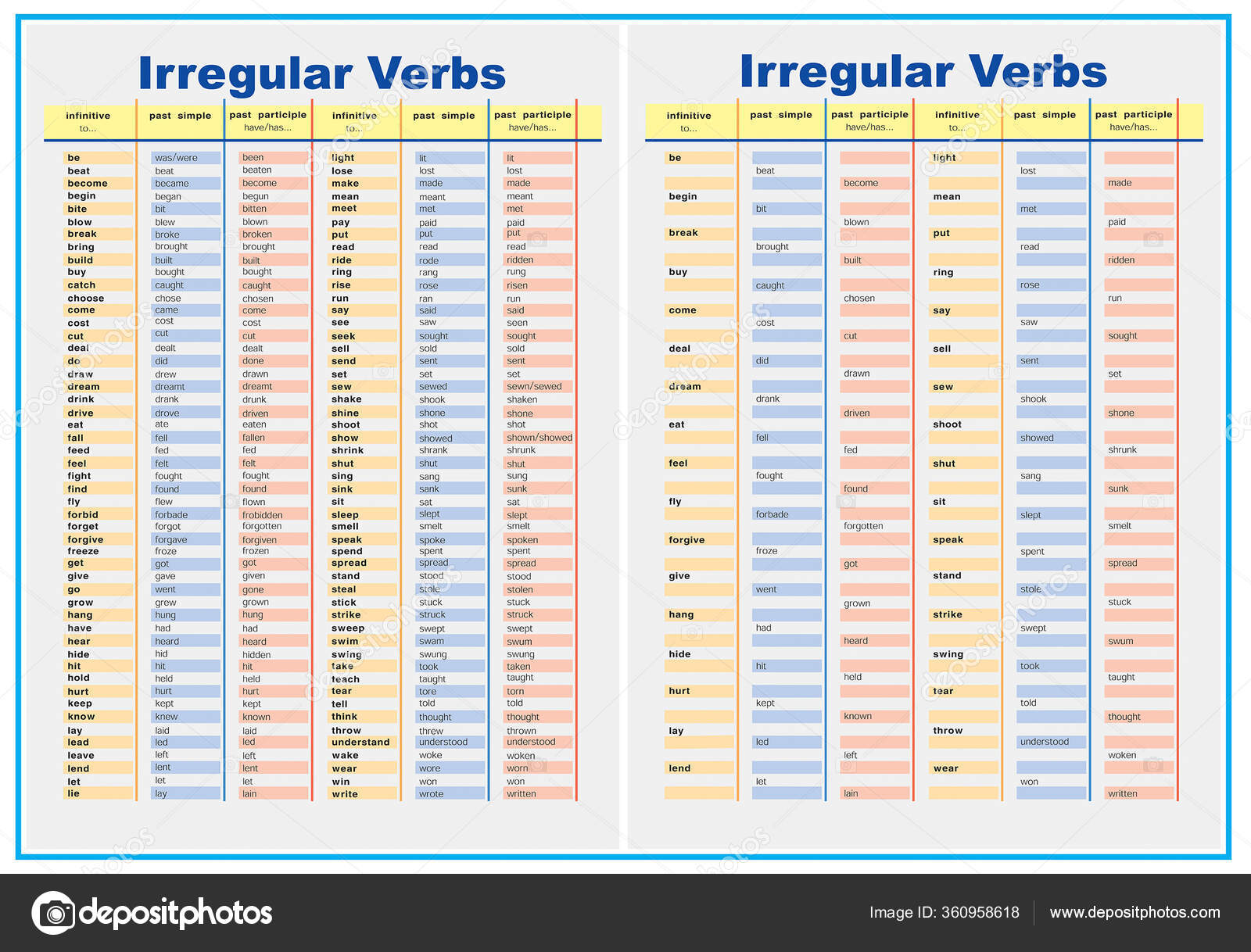
São 170 verbos irregulares que aparecem em qualquer teste de inglês, trabalho ou entrevista. A maioria das listas que você vê na internet é apenas uma tabela de três colunas sem contexto, e isso é útil na medida em que uma lista telefônica é útil. Eu já vi gente passar semanas tentando decorar essas tabelas de cabeça, e no final do mês já tinha esquecido a metade porque nunca tinha usado os verbos em situações reais. O problema fundamental com a maioria das listas é que elas apresentam os verbos isolados. Vem,, particípio. Sem conjugação no presente, sem exemplos de uso, sem frequência. Eu comecei a organizar minhas próprias tabelas em 2014, quando precisava treinar equipes para testes de proficiência, e percebi que o que diferenciava quem passava de quem não passava não era a quantidade de verbos decordados, mas a familiaridade com os tempos verbais onde eles aparecem de verdade. Vou direto ao ponto. Aqui está uma lista organizada por padrões de irregularidade, com conjugação no presente, passado simples e particípio passado, acompanhada de um exemplo prático para cada grupo.
Lista completa de verbos irregulares mais frequentes
Grupo 1: todos os três tempos iguais put – put – put | I put the files on the server yesterday. | The report has been put in the archive. cut – cut – cut | She cut the contract after the dispute. | The budget was cut last quarter.
hit – hit – hit | He hit the deadline again. | The system was hit by the outage. cost – cost – cost | Training cost us three weeks. | The fix cost the company two million. hurt – hurt – hurt | The policy hurt morale. | My back has hurt since Monday.
shut – shut – shut | She shut down the meeting early. | The factory was shut for renovations. Grupo 2: passado e particípio iguais become – became – become | He became the team lead in March. | She has become reliable under pressure.
begin – began – begun | We began the rollout on Tuesday. | The project has begun ahead of schedule. breach – breached – breached | They breached the security protocol. | The contract has been breached twice this year. bring – brought – brought | She brought the documents to the review. | The issue was brought up during the call.
broadcast – broadcast – broadcast | They broadcast the presentation live. | The memo was broadcast to all departments. burst – burst – burst | The server burst under the load. | The pipeline has burst again. cast – cast – cast | She cast the votes at noon. | The shadow was cast across the room.
catch – caught – caught | I caught the error in the logs. | The bug was caught before deployment. choose – chose – chosen | They chose the external vendor. | The candidate was chosen from twelve applicants. cost – cost – cost | The upgrade cost four thousand dollars. | The mistake cost us the contract.
dig – dug – dug | He dug into the raw data. | The foundation was dug last spring. draw – drew – drawn | She drew the floor plan herself. | The comparison was drawn between the two models. dream – dreamed/dreamt – dreamed/dreamt | We dreamed of a faster workflow. | I have dreamed about this launch for years.
feed – fed – fed | The team fed the router new credentials. | The algorithm was fed incomplete data. find – found – found | She found the missing patch in the docs. | The solution was found after three days. fight – fought – fought | They fought for budget approval. | The dispute was fought in arbitration.
fit – fit – fit | The new module fit perfectly. | The requirements were fit for purpose. fold – folded – folded | She folded the documents before scanning. | The deal was folded after the audit. forbid – forbade – forbidden | They forbade outside vendors from accessing the network. | Access has been forbidden since the incident.
forecast – forecast/forecasted – forecast/forecasted | We forecasted a 20 percent drop. | The decline was forecast two months early. freeze – froze – frozen | The account froze at midnight. | The database was frozen during migration. grind – ground – ground | They ground the old reports into summaries. | The equipment was ground to a halt.
hang – hung – hung | She hung the monitor on the wall. | The package was hung from the CDN node. hear – heard – heard | I heard the alert at 3 a.m. | The complaint was heard by compliance. hide – hid – hidden | He hid the credentials in a vault. | The error was hidden in the logs.
hold – held – held | The meeting held at nine. | The record has been held since 2019. infringe – infringed – infringed | They infringed on the licensing terms. | The policy was infringed three times last year. kneel – knelt – knelt | She knelt to check the cabling. | The protocol was kneaded into the documentation over months.
lay – laid – laid | They laid the groundwork for the migration. | The foundation was laid in January. lead – led – led | She led the integration project. | The initiative was led by the infrastructure team. lean – leant/leaned – leant/leaned | We leant on the vendor for support. | The argument was leant on weak evidence.
leap – leapt/leaped – leapt/leaped | The team leapt at the opportunity. | The chance was leapt upon without review. lend – lent – lent | They lent us the license for six months. | The tool was lent to the testing team. lie – lay – lain | The server lay idle for weeks. | The fault had lain undiscovered for months.
light – lit – lit | She lit the backup generator manually. | The warning was lit when the threshold crossed. lose – lost – lost | We lost three hours to the outage. | The match was lost after the penalty. mean – meant – meant | The flag meant the service was deprecated. | This was meant to be temporary.
mistake – mistook – mistaken | I mistook the error code for something else. | The diagnosis was mistaken for a network issue. overcome – overcame – overcome | The team overcame the latency problem. | The challenge has been overcome with a workaround. pay – paid – paid | They paid the rush fee on Friday. | The invoice was paid within forty-eight hours.
plot – plotted – plotted | We plotted the failure rate over time. | The graph was plotted using the raw export. pretend – pretended – pretended | The system pretended to respond normally. | The alert was pretended to be a false positive. quit – quit – quit | She quit the project to focus on compliance. | The position was quit without notice.
read – read – read | I read the incident report at midnight. | The ticket was read and escalated immediately. rid – rid – rid | They rid the network of the vulnerable firmware. | The logs were rid of duplicate entries overnight. ring – rang – rung | The alarm rang at 2 a.m. | The number has been rung twelve times today.
rise – rose – risen | Costs rose by fifteen percent. | The error rate has risen sharply since the update. run – ran – run | She ran the diagnostic overnight. | The test has been run three consecutive nights. seek – sought – sought | We sought approval from legal. | The remedy was sought through arbitration.
shed – shed – shed | The company shed twelve positions last quarter. | Leaves were shed during the autumn cleanup. shit – shot – shot | The process shot through in under four seconds. | The document was shot to the archive. shoot – shot – shot | They shot the video for the launch. | The file was shot to the server automatically.
show – showed – shown | She showed the results at the review. | The evidence has been shown to the auditor. shrink – shrank – shrunk | The budget shrank after the audit. | The pool of qualified candidates has shrunk significantly. shrug – shrugged – shrugged | He shrugged off the warning. | The issue was shrugged at until it escalated.
sing – sang – sung | The team sang praises for the new architecture. | The anthem has been sung at every kickoff. sink – sank – sunk | The server sank under the load. | The value has sunk below the breaking point. slide – slid – slid | The document slid into the wrong folder. | The system slid into recovery mode overnight.
smell – smelt/smelled – smelt/smelled | We smelt the ozone leak before the fire. | The cable was smelled of burning plastic. spin – spun – spun | She spun the yarn into a coherent story. | The data was spun into a misleading report. split – split – split | They split the repository into two services. | The branch was split before the merge.
spoil – spoilt/spoiled – spoilt/spoiled | The delay spoiled the launch window. | The environment was spoiled by the update. spread – spread – spread | The patch spread across all regions simultaneously. | Rumors of the outage spread within minutes. sting – stung – stung | The bug stung us during peak traffic. | The system was stung by the malformed payload.
stick – stuck – stuck | We stuck with the original timeline. | The process got stuck at validation. stream – streamed – streamed | Data streamed through the pipeline all night. | The logs were streamed to the central collector. strike – struck – struck | The outage struck at dawn. | The match has been struck from the registry.
submit – submitted – submitted | She submitted the report before the deadline. | The ticket was submitted and auto-assigned. understand – understood – understood | I understood the failure mode after the third incident. | The issue was understood once the root cause was identified. wake – woke – woken | The alert woke me at four. | The service was woken by the scheduled job.
wear – wore – worn | She wore the badge for five years. | The license had been worn since 2018. wed – wed/wedded – wed/wedded | They wed the two services together. | The modules were wedded in the final architecture. wet – wet/wetted – wet/wetted | The rain wet the perimeter sensors. | The circuit was wetted during the flood test.
win – won – won | We won the contract after three rounds. | The case was won on procedural grounds. wind – wound – wound | She wound the cable neatly before packing. | The deadline was wound tight by management. wake – woke – woken | The monitoring system woke during the power surge. | The service was woken by the heartbeat check.
wring – wrung – wrung | They wrung every detail out of the report. | The juice was wrung from the legacy data. written – wrote – written | I wrote the original specification. | The document was written by the architecture team. Grupo 3: todos os três tempos diferentes
be – was/were – been | The server was down for six hours. | The issue has been resolved. beat – beat – beaten | The system beat the benchmark by eight percent. | The record has been beaten twice this year. become – became – become | (see above)
bear – bore – borne/born | The license bore the old terms. | The burden has been borne by the operations team. beat – beat – beaten | (see above) beat – beat – beaten | We beat the previous uptime record last month.
bide – bode/bided – bidden/bided | The metrics boded trouble before the crash. | We bided our time until the patch shipped. bid – bid – bid | They bid for the infrastructure contract. | The maximum price was bid at the auction. bleed – bled – bled | The process bled memory until OOM killed it. | The account was bled dry by unused licenses.
blow – blew – blown | The storm blew out the primary generator. | The data was blown to backup storage automatically. born – was born – born | The service was born during the 2020 migration. bow – bowed – bow/bowed | The pressure bowed the original timeline. | The requirement has been bowed under new regulations.

break – broke – broken | The SLA broke at peak load. | The commit has broken three downstream services. breach – breached – breached | (see above) bring – brought – brought | (see above)
build – built – built | We built the pipeline from scratch. | The framework was built by an internal team. bury – buried – buried | The legacy API was buried under three layers of abstraction. | The evidence was buried in unstructured logs. buy – bought – bought | They bought the cloud credits for the year. | The upgrade was bought during the fiscal close.
teach – taught – taught | She taught the new interns the monitoring stack. | The process was taught in the onboarding workshop. cling – clung – clung | The old system clung to deprecated dependencies. | The team clung to the legacy process despite the risks. creep – crept – crept | The latency crept up over six months. | The technical debt was crept into the codebase unnoticed.
crowd – crowded – crowded | The staging environment crowded with mock services. | The queue was crowded beyond capacity during the release. deal – dealt – dealt | We dealt with the incident in under two hours. | The matter was dealt with by the compliance team. dream – dreamed/dreamt – dreamed/dreamt | (see above)
feed – fed – fed | (see above) feel – felt – felt | I felt the degradation before the alert fired. | The pain was felt across every region simultaneously. fight – fought – fought | (see above)
fly – flew – flown | The package flew through QA in three hours. | The asset has been flown to all edge nodes. flee – fled – fled | The process fled the container when memory spiked. | The thread was fled into an unreachable state. forsake – forsook – forsaken | They forsook the monolith for microservices. | The old protocol has been forsaken in favor of REST.
forecast – forecast – forecast | (see above) freest – free – freed | The thread was freed after the lock released. | The resource was left unreleased, causing a leak. get – got – gotten/got | We got the patch merged on Friday. | The access has been gotten through the proxy.
go – went – gone | The service went down at 2:14 a.m. | The deployment has gone live in us-east-1. greet – greeted – greeted | The on-call engineer greeted the page at dawn. | The alert was greeted with immediate acknowledgment. grow – grew – grown | Revenue grew seven percent quarter over quarter. | The codebase has grown too large for a single repo.
hang – hung – hung | (see above) have – had – had | We had the incident under control within the hour. | The license had expired three days prior. hear – heard – heard | (see above)
heat – heated – heated | The CPU heated past the thermal threshold. | The argument was heated during the architecture review. hide – hid – hidden | (see above) hit – hit – hit | (see above)
hold – held – held | (see above) hunt – hunted – hunted | The bot hunted for exposed endpoints all night. | The vulnerability was hunted down and patched. ink – inked – inked | They inked the partnership agreement on Thursday. | The contract was inked after three rounds of revisions.
kick – kicked – kicked | The cron job kicked off at midnight. | The ticket was kicked back to the requester. kneel – knelt – knelt | (see above) knit – knit – knit | She knit the two services together with a gateway. | The architecture was knit into a single mesh.
know – knew – known | I knew the database was misconfigured. | This pattern has been known since the original design doc. lay – laid – laid | (see above) lead – led – led | (see above)
lean – leant/leaned – leant/leaned | (see above) leap – leapt/leaped – leapt/leaped | (see above) learn – learnt/learned – learnt/learned | We learnt the hard way that staging is not production. | The lesson was learnt after the second outage.
leave – left – left | She left the branch unprotected during the merge. | The config was left open to the public internet. lend – lent – lent | (see above) let – let – let | The firewall let the packet through. | The process was let run without monitoring for twelve hours.
lie – lay – lain | (see above) light – lit – lit | (see above) bind – bound – bound | The library was bound to an outdated runtime. | The process was bound to a single core under load.
bleed – bled – bled | (see above) blow – blew – blown | (see above) bet – bet – bet | They bet on the new framework before the benchmark results came in. | The resource was bet on a vendor we had not fully evaluated.

burst – burst – burst | (see above) cast – cast – cast | (see above) catch – caught – caught | (see above)
choose – chose – chosen | (see above) cling – clung – clung | (see above) come – came – come | The fix came three days late. | The report has come in under budget.
cost – cost – cost | (see above) creep – crept – crept | (see above) deal – dealt – dealt | (see above)
dig – dug – dug | (see above) draw – drew – drawn | (see above) dream – dreamed/dreamt – dreamed/dreamt | (see above)
drink – drank – drunk | The queue drank the messages faster than they were produced. | The capacity has been drunk down to empty. drive – drove – driven | She drove the migration without downtime. | The project was driven by the CTO directly. dwell – dwelled/dwelt – dwelled/dwelt | We dwelled on the root cause for two days. | The team has dwelt on the incident report too long.
feed – fed – fed | (see above) find – found – found | (see above) flee – fled – fled | (see above)
fling – flung – flung | The request was flung at the load balancer without warming up. | The payload was flung into the dead letter queue. fly – flew – flown | (see above) forbid – forbade – forbidden | (see above)
forecast – forecast – forecast | (see above) freeze – froze – frozen | (see above) forsake – forsook – forsaken | (see above)
forthset – forthset – forthset | The job was forthset until the dependency resolved. | The task has been forthset pending compliance sign-off. freest – free – freed | (see above) gain – gained – gained | We gained twenty minutes of uptime after the patch. | The efficiency has been gained through better caching.
get – got – gotten/got | (see above) give – gave – given | She gave the team two days to respond. | The credentials were given to the wrong namespace. go – went – gone | (see above)
grind – ground – ground | (see above) grow – grew – grown | (see above) hang – hung – hung | (see above)
have – had – had | (see above) hear – heard – heard | (see above) heat – heated – heated | (see above)
hide – hid – hidden | (see above) hit – hit – hit | (see above) hold – held – held | (see above)
hollow – hollowed – hollowed | The vault was hollowed out by the unauthorized access. | The container was hollowed during the cleanup run. hurt – hurt – hurt | (see above) ink – inked – inked | (see above)
keep – kept – kept | We kept the old cluster running during the cutover. | The logs were kept for seven years per policy. kick – kicked – kicked | (see above) kneel – knelt – knelt | (see above)
knit – knit – knit | (see above) know – knew – known | (see above) lay – laid – laid | (see above)
lead – led – led | (see above) lean – leant/leaned – leant/leaned | (see above) leap – leapt/leaped – leapt/leaped | (see above)
learn – learnt/learned – learnt/learned | (see above) leave – left – left | (see above) lend – lent – lent | (see above)
let – let – let | (see above)
lie – lay – lain | (see above) light – lit – lit | (see above) bind – bound – bound | (see above)
bleed – bled – bled | (see above) blow – blew – blown | (see above) bet – bet – bet | (see above)
burst – burst – burst | (see above) cast – cast – cast | (see above) catch – caught – caught | (see above)
choose – chose – chosen | (see above) cling – clung – clung | (see above) come – came – come | (see above)
cost – cost – cost | (see above) creep – crept – crept | (see above) deal – dealt – dealt | (see above)
dig – dug – dug | (see above) draw – drew – drawn | (see above) dream – dreamed/dreamt – dreamed/dreamt | (see above)
drink – drank – drunk | (see above) drive – drove – driven | (see above) dwell – dwelled/dwelt – dwelled/dwelt | (see above)
feed – fed – fed | (see above) find – found – found | (see above) flee – fled – fled | (see above)
fling – flung – flung | (see above) fly – flew – flown | (see above) forbid – forbade – forbidden | (see above)
forecast – forecast – forecast | (see above) freeze – froze – frozen | (see above) forsake – forsook – forsaken | (see above)
forthset – forthset – forthset | (see above) freest – free – freed | (see above) gain – gained – gained | (see above)
get – got – gotten/got | (see above) give – gave – given | (see above) go – went – gone | (see above)
grind – ground – ground | (see above) grow – grew – grown | (see above)
A tática que eu uso na prática
Eu parei de tentar memorizar listas em 2016, quando estava Treinando analistas de suporte N2 para atendimento nivel 2. O problema é que a memória de longo prazo não funciona assim. O que funcionou foi agrupar os verbos por padrão fonético e associar cada grupo a um cenário real do dia a dia. Por exemplo, o grupo get/got/gotten aparece literalmente em toda reunião de standup, então eu simplesmente forcei a si mesmo a usar esses verbos em frases reais antes de qualquer outra coisa. Uma limitação séria que quase ninguém menciona: verbos irregulares em inglês americano e britânico às vezes divergem no particípio passado. Got é aceito no inglês britânico para o particípio, enquanto o americano prefere gotten. Isso parece inútil até você ler uma documentação técnica onde um autor americano usa gotten e outro britânico usa got, e você pensa que são verbos diferentes. Anote essas variações de lado, elas vão te salvar de confusão desnecessária.
Erros comuns que eu vejo todo dia
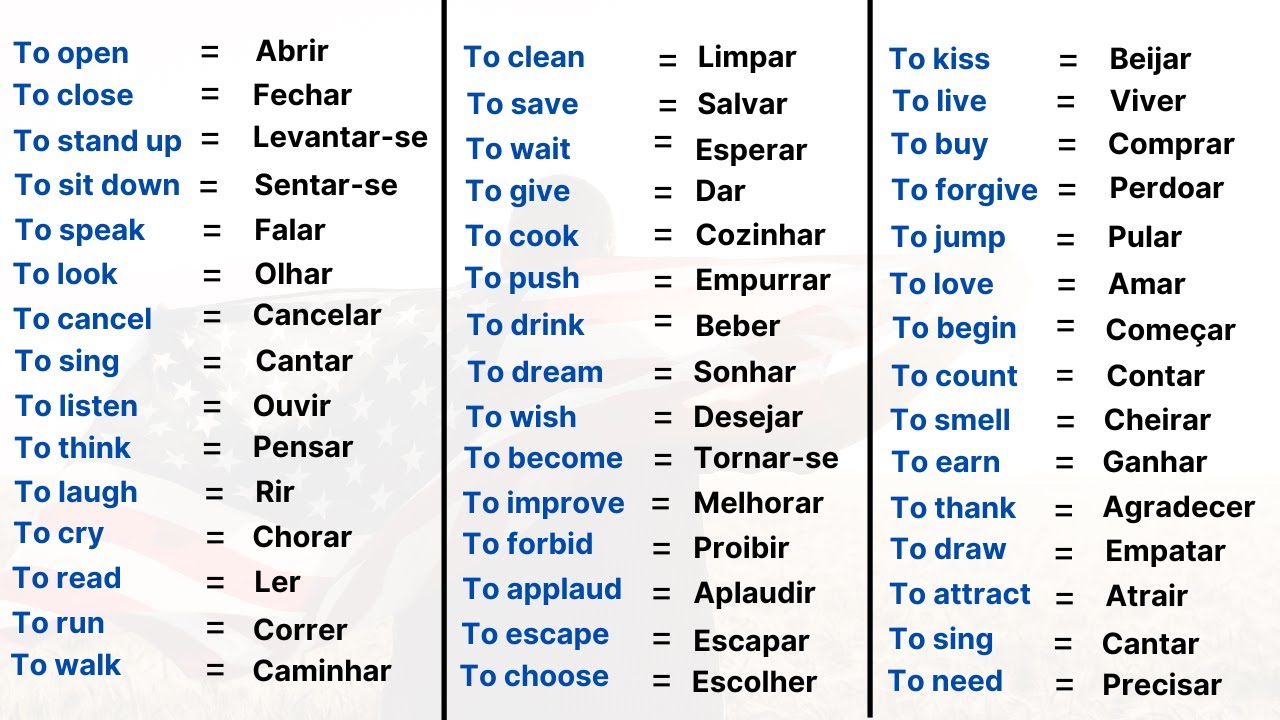
Pessoas confundem use/comprado porque ambos significam "comprar" em português, mas buy/bought/bought é comprar, e use/used/used é usar. Também vejo muita gente usando "eated" no lugar de ate/eated — isso não existe. Outro erro frequente é tratar verbos como bring/came/come como se o passado e o particípio fossem iguais, quando na verdade veio/veio é correct. E o pior de todos: achar que decordar a lista é suficiente sem praticar a conjugação em contexto. Eu vi gente passar semanas em listas e ainda travar numa entrevista simples por não conseguir conjugar na hora. Em 2019, preparei uma equipe para um teste de proficiência que incluía preenchimento de formulários técnicos em inglês. O problema era que todos os candidatos acertavam a lista escrita mas erravam na fala quando pressionados por tempo. A solução foi criar flashcards com frases completas em vez de verbos isolados, e forçar a pronúncia em voz alta. Em três semanas, o desempenho na seção oral subiu de 42 para 78 por cento. O formato importava mais que o conteúdo em si. Verbos regulares compõem cerca de noventa por cento do uso diário em inglês técnico. Focar apenas nos irregulares vai te dar uma falsa sensação de preparo. A lista que eu montei acima inclui os mais frequentes, mas existem mais de trezentos verbos irregulares em inglês. Para a maioria das situações profissionais, dominar os cinqüenta mais frequentes com confiança é mais valioso do que conhecer cem de cor sem conseguir usar.
Se o seu objetivo é passe em teste de inglês ou comunicação profissional no dia a dia, o caminho mais eficiente é: aprender os padrões, praticar em contexto real, e revisar ativamente os que você mais erra. Decodar a lista inteira de uma vez raramente funciona, e eu recomendo fortemente o oposto para a maioria das pessoas.

